June 28, 2026
Choosing the right roof is an important decision for any property owner. Different roofing styles offer different benefits, appearances, and maintenance needs. Flat roofing is a common option for many residential and commercial buildings because of its simple design and practical use of space. Before making a decision, it helps to understand how flat roofing works, its advantages, its challenges, and what factors may influence whether it is a good fit for a property. This article will explore the key considerations to help property owners determine if flat roofing is the right choice.
Understanding Flat Roofing
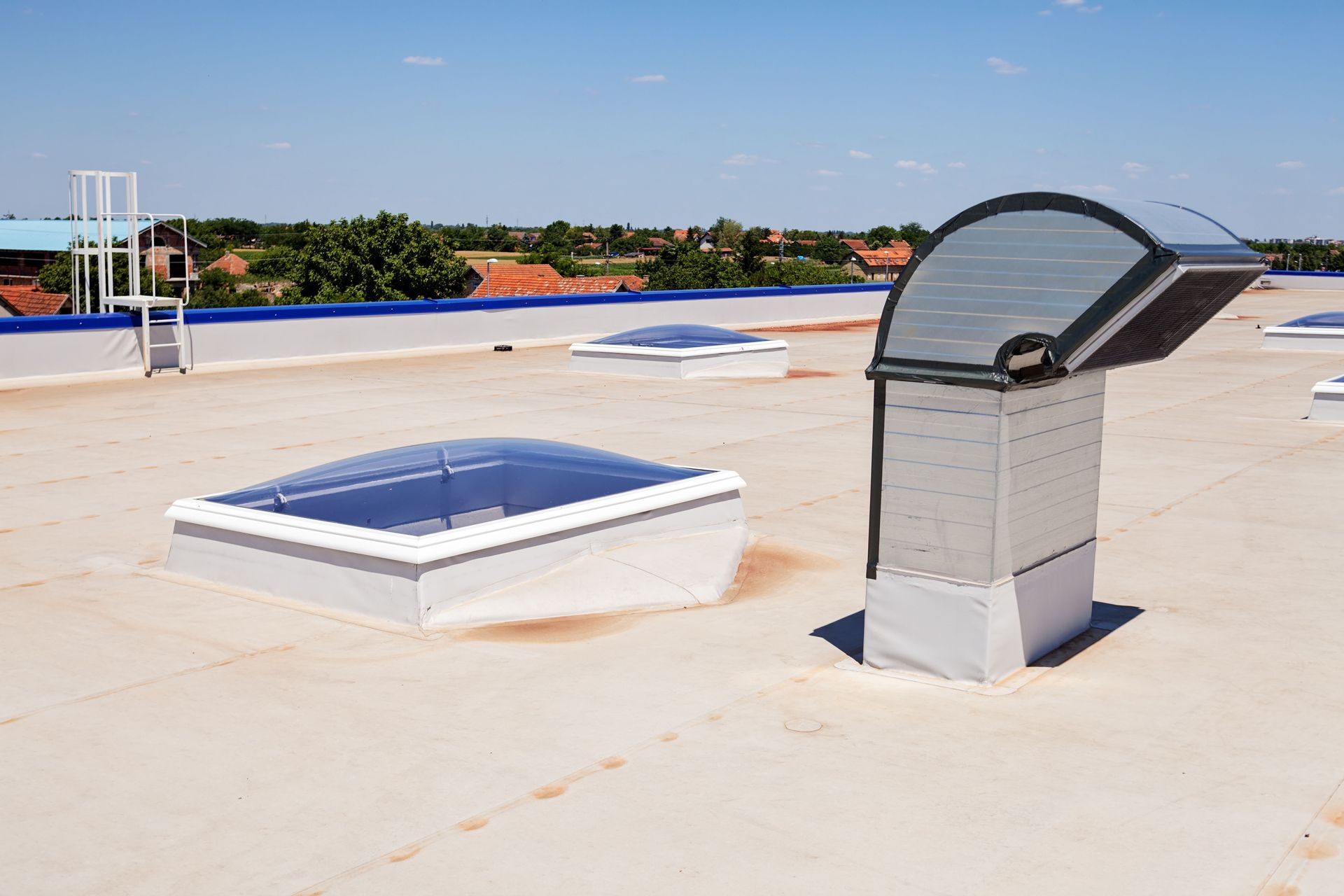
Flat roofing is known for its clean and modern appearance. Unlike traditional sloped roofs, flat roofs have a nearly level surface. Even though they are called flat, they are not completely level. According to The Spruce, flat roofing has a very low slope, between 1/4 to 1/2 inch per foot, so that it drains water. This slight slope helps move water toward drainage areas instead of allowing it to remain on the roof surface. Proper drainage is an important part of maintaining the condition and performance of a flat roof over time.
Flat roofing is used on a variety of building types and has become increasingly popular in modern home design. Many property owners appreciate its simple look and the flexibility it can offer. For those considering residential roofing options, understanding the structure of flat roofing is often the first step in making an informed choice.
Comparing Design Benefits
One reason many people choose flat roofing is its appearance. The clean lines can complement modern architectural styles and create a streamlined look for a property. Flat roofing can also provide additional usable space. Depending on the building design, the roof area may be used for equipment placement, outdoor living areas, or other purposes. This can be especially appealing in locations where maximizing available space is important.
Another benefit is accessibility. Compared to steeply sloped roofs, flat roofs are generally easier for professionals to inspect and evaluate. This can make routine maintenance and inspections more straightforward. When discussing residential roofing, appearance often plays a major role in the decision-making process. Flat roofing offers a different visual style than traditional roof designs and may appeal to property owners looking for a more contemporary look.
Considering Weather Conditions
Climate is an important factor when evaluating any roofing style. Flat roofing can perform well in many environments, but weather patterns should always be considered. Areas that receive frequent rainfall may require careful attention to drainage systems. Since flat roofing has only a slight slope, proper water management is important. Standing water can create issues if drainage systems are not functioning properly.
Snow can also be a factor in certain regions. Accumulated snow adds weight to the roof structure, making regular inspections important during winter. Property owners should seek professional help when evaluating how local weather conditions may affect a roof's long-term performance. Wind exposure is another consideration. Roofing professionals can assess local weather patterns and recommend solutions that support the durability of the roofing system. For residential roofing projects, climate often influences which roofing style will provide the best long-term value.
Evaluating Maintenance Needs
Every roofing system requires maintenance, and flat roofing is no exception. Regular inspections play an important role in identifying concerns before they become larger problems. Debris can collect on flat roofing surfaces more easily than on steep roofs. Leaves, branches, and other materials may affect drainage if they are not addressed. Professional inspections can help identify these issues and keep drainage pathways functioning properly.
Property owners should also pay attention to signs of wear over time. Weather exposure, aging materials, and seasonal changes can all affect the condition of a roof. Seeking professional help for inspections and repairs is often the best approach. Roofing professionals can evaluate the roof's condition and recommend any necessary actions. Maintenance is an important part of protecting any residential roofing investment. Regular attention can help extend the life of the roof and reduce the likelihood of unexpected problems.
Reviewing Energy Considerations
Energy efficiency is another factor many property owners consider when choosing a roofing style. Flat roofing can contribute to energy performance when properly designed and maintained. The roof plays a major role in how a building manages heat. Factors such as roof color, insulation, and overall design can influence indoor comfort levels throughout the year. A well-planned roofing system can help support temperature control inside the property. This may contribute to lower energy demands during certain seasons.
Property owners interested in residential roofing often compare different roof styles based on energy-related factors. Discussing these considerations with a qualified professional can provide valuable insight into what may work best for a specific property and climate. Because every building is different, energy performance can vary depending on design, location, and construction methods.
Assessing Long-Term Costs
Cost is often one of the most important factors when choosing a roof. While installation costs vary based on many factors, it is also important to consider long-term expenses. Maintenance, inspections, repairs, and eventual replacement costs all contribute to the overall investment. Looking at the full life cycle of a roofing system can provide a more complete understanding of potential costs over time.
Flat roofing may offer advantages in some situations due to its simpler design. At the same time, ongoing maintenance remains an important consideration. Regular inspections can help identify issues early and may help reduce larger repair expenses in the future. When comparing residential roofing options, it is helpful to think beyond the initial installation cost. Evaluating long-term value often provides a clearer picture of which roofing style may be the better fit. Professional guidance can help property owners understand the costs associated with different roofing choices and make decisions based on their goals and budget.
Seeking Professional Guidance
Choosing a roofing system involves many factors, including appearance, weather conditions, maintenance needs, energy considerations, and long-term costs. Every property is unique, and what works well for one building may not be the best option for another. Taking the time to evaluate these factors can help property owners make a decision that supports both their current needs and future goals. A roofing system is a significant part of a building's overall performance and appearance, making careful planning an important step.
Professional evaluations can provide important information about roof structure, drainage requirements, local climate concerns, and overall suitability. Seeking professional help can also help property owners understand the advantages and limitations of flat roofing before making a final decision. A professional assessment can identify potential concerns that may not be obvious and provide recommendations based on the property's specific characteristics and location.
Flat roofing offers several benefits, including a modern appearance, practical use of space, and accessibility for inspections. At the same time, regular maintenance and proper drainage remain important considerations. Understanding both sides of the decision can help property owners determine whether flat roofing aligns with their needs. Looking at both short-term and long-term expectations can provide a more complete picture of how a flat roof may perform over the years.
If you are exploring residential roofing options and want guidance on selecting the right roof for your property, contact Safe Choice Roof Systems Inc today to learn more about residential roofing solutions and discuss the factors that may influence the best choice for your building.