May 1, 2026
In home maintenance, few systems carry as much long-term financial and structural weight as the roof. Poor decisions can quietly escalate into major repair costs, energy inefficiencies, and premature replacement needs. That’s why understanding how to approach residential roofing with a long-term perspective is essential for protecting both comfort and property value. The U.S. roofing sector reflects this importance at scale—according to IBISWorld, the roofing contractors industry is projected to reach $76.4 billion in revenue in 2025, underscoring how critical informed decisions are in this space. When we take a proactive approach to roofing, we reduce risk, improve durability, and ensure stronger performance year-round.
1. Choosing The Wrong Roofing Material
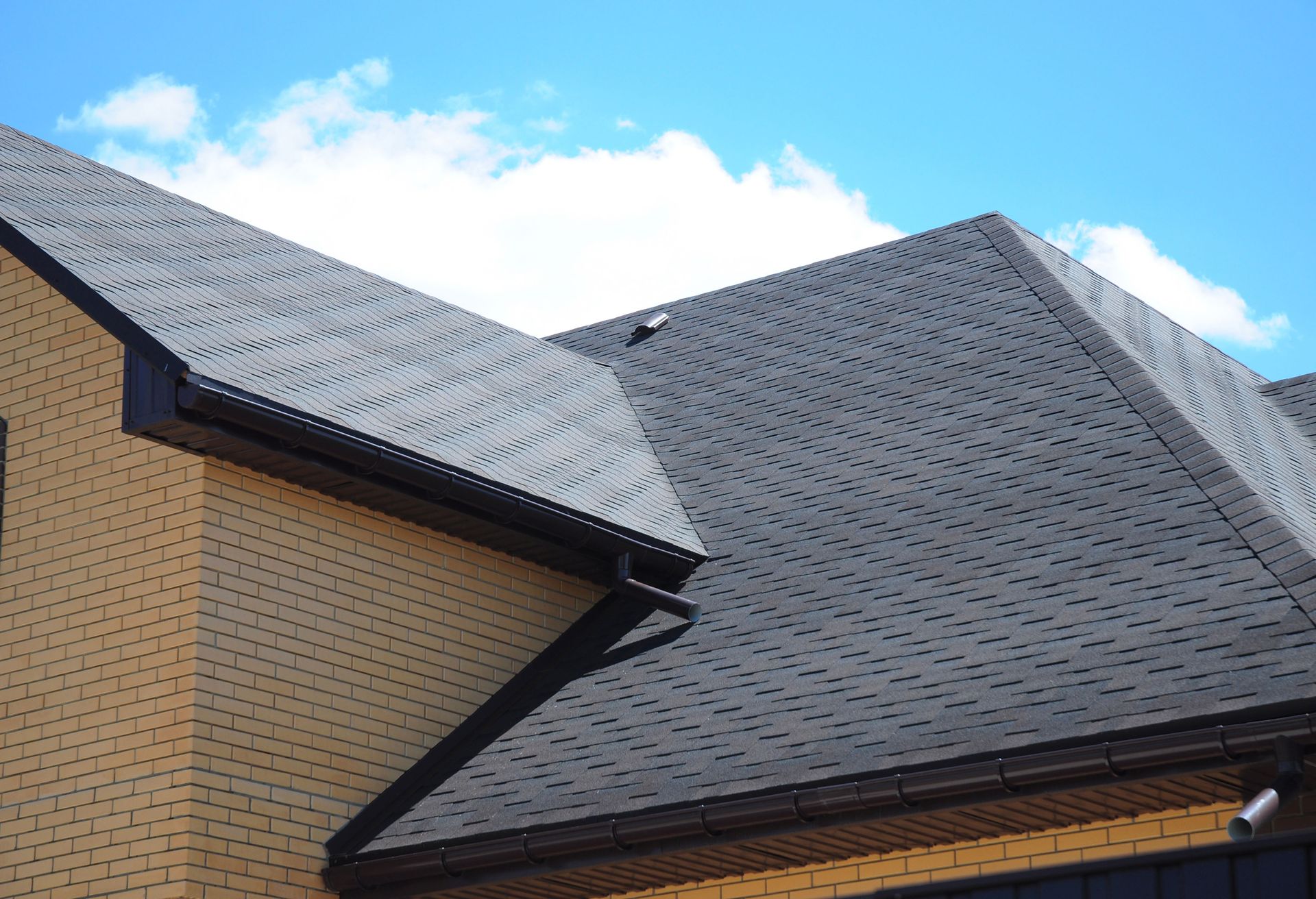
Selecting the right material is one of the most influential decisions in residential roofing, and getting it wrong can shorten system lifespan significantly. Climate compatibility, structural requirements, and long-term durability all play a role in ensuring the roof performs as expected. Materials like asphalt shingles, metal, and tile each respond differently to temperature shifts, moisture levels, and storm exposure.
We often see issues arise when aesthetic preference is prioritized without evaluating environmental demands. In roofing, this mismatch can lead to premature wear, increased maintenance frequency, and avoidable repair costs. Material performance should always be evaluated alongside architectural style and long-term resilience.
Budget considerations also matter, but lower upfront costs do not always translate into better long-term value. In roofing, investing in higher-grade materials can often reduce lifecycle expenses and improve energy efficiency. The right choice should balance durability, appearance, and climate suitability to ensure lasting protection.
2. Installing Without Proper Execution Standards
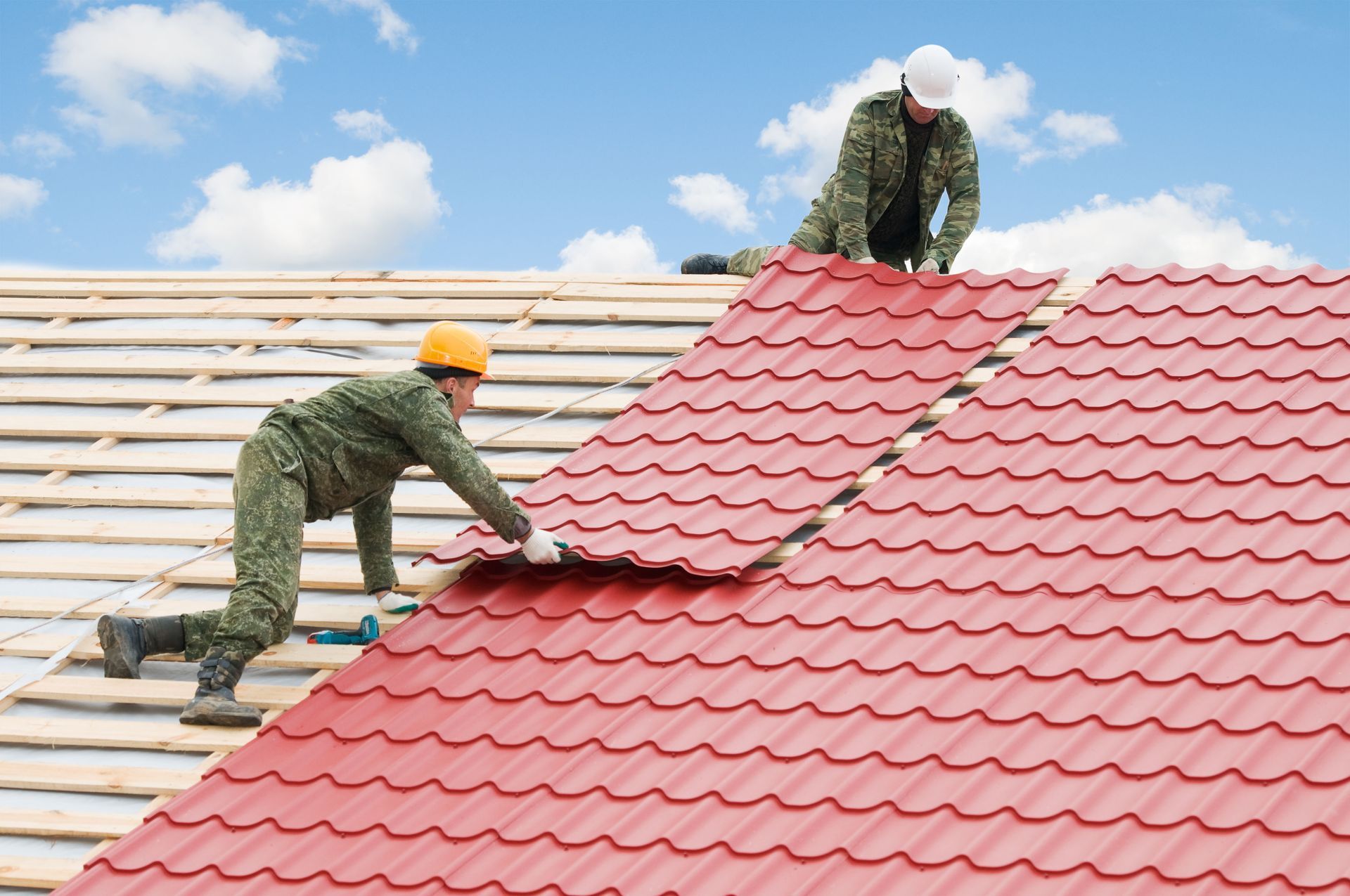
Even the highest-quality materials underperform when installation practices are inconsistent or rushed. Precision in alignment, fastening, and sealing is essential to ensuring the system functions as intended. In residential roofing, small installation errors can quickly escalate into leaks, insulation issues, and structural damage.
Proper execution requires attention to ventilation alignment, flashing placement, and moisture barriers. When these elements are not handled correctly, the entire roofing system becomes vulnerable to environmental stress. That’s why structured processes and adherence to industry standards are essential.
Accountability also matters. In roofing, verified licensing, insurance coverage, and documented workmanship standards help ensure reliability and reduce risk exposure. A well-executed installation not only improves performance but also extends service life and protects the home from unnecessary disruption.
3. Ignoring Routine Maintenance And Condition Checks
Ongoing care is a critical factor in extending roof performance, yet it is often overlooked until visible damage occurs. Regular condition checks help identify early warning signs such as loose materials, moisture intrusion, or surface deterioration. In residential roofing, early detection is the difference between minor correction and major repair.
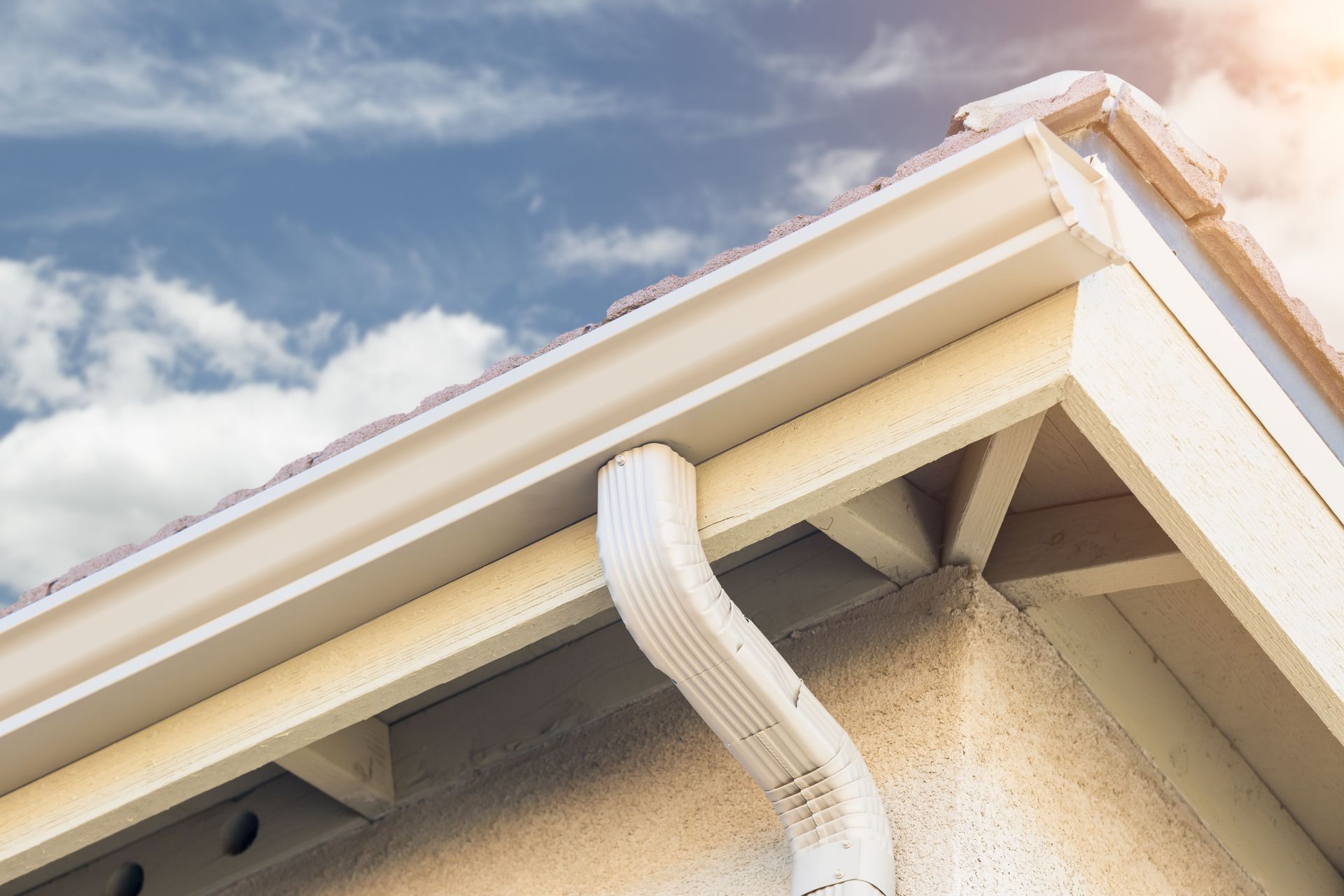
Seasonal changes can accelerate wear, especially after heavy storms or prolonged temperature shifts. Debris buildup, clogged drainage paths, and minor surface cracks can develop into larger structural concerns if not addressed promptly. Consistent attention helps maintain system integrity.
Professional evaluation also adds value by identifying hidden issues that may not be visible at the surface level. In roofing, expert inspections help ensure the system remains compliant with warranty conditions and continues performing efficiently over time. Proactive care ultimately reduces long-term repair costs and strengthens overall durability.
4. Overlooking Ventilation And Insulation Balance
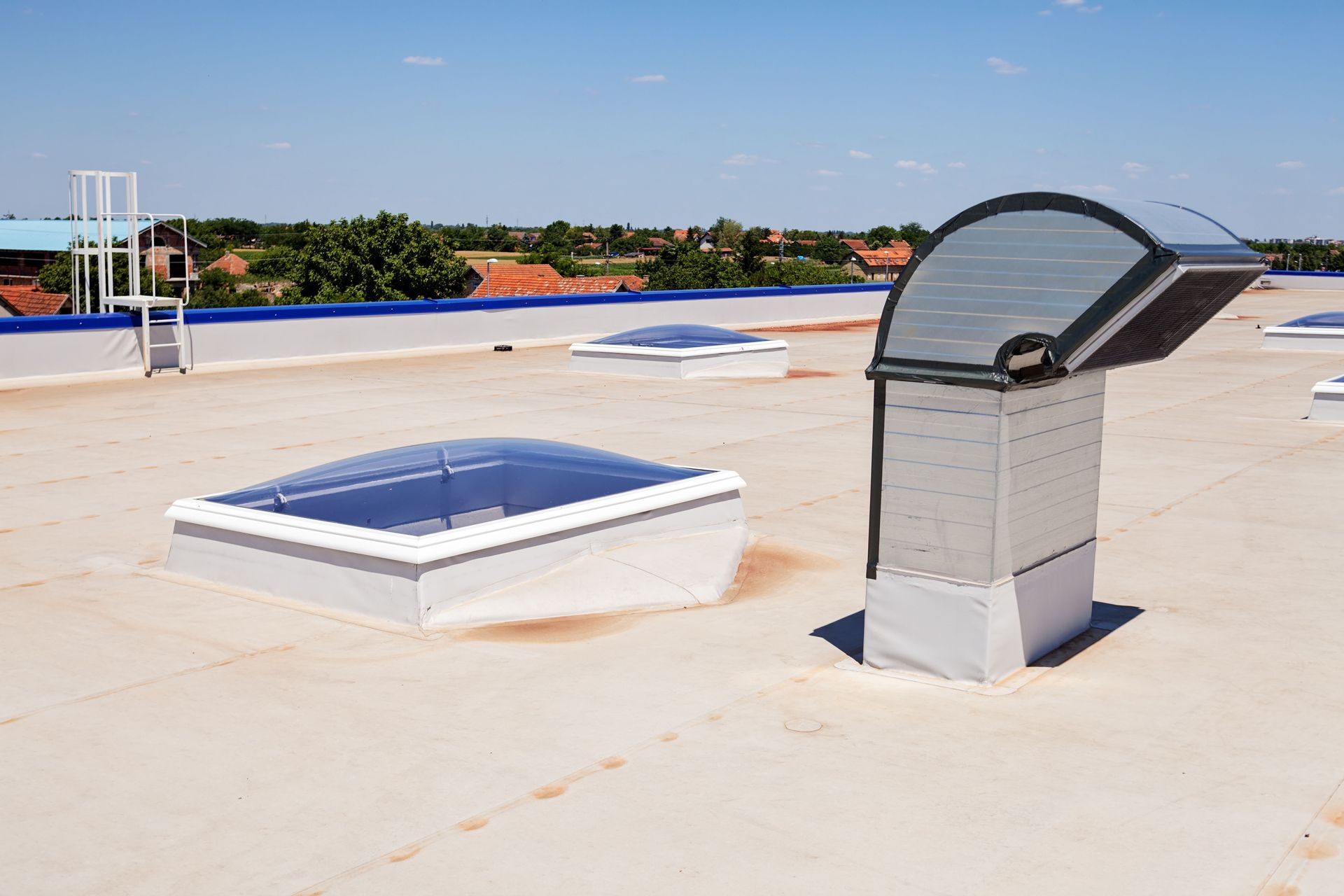
Proper airflow and insulation work together to regulate roof performance and energy efficiency. When either system is unbalanced, moisture buildup, heat retention, and premature material breakdown can occur. In roofing, this balance is essential for maintaining both structural health and indoor comfort.
Poor ventilation can trap heat in attic spaces, increasing material stress and contributing to ice dam formation in colder conditions. Insufficient insulation can also lead to energy loss and inconsistent indoor temperatures. These issues often develop gradually but have a significant long-term impact.
Improving system performance requires evaluating airflow pathways, sealing gaps, and ensuring insulation levels meet seasonal demands. In residential roofing, optimizing these elements reduces strain on the structure and enhances energy efficiency throughout the year. A properly balanced system supports long-term durability and occupant comfort.
5. Skipping Permit And Compliance Requirements
Regulatory compliance is often underestimated, yet it plays a crucial role in protecting property value and ensuring safety standards are met. Local building codes establish clear requirements for structural integrity, material usage, and installation practices. In roofing, failing to meet these requirements can result in penalties, delays, or insurance complications. Adhering to these codes not only ensures legal conformity but also enhances the durability and longevity of the roofing materials used. Moreover, staying compliant can significantly increase the marketability of your property by showcasing high standards of maintenance and quality assurance.
Permit processes are designed to verify that work aligns with safety and zoning regulations. When these steps are bypassed, homeowners may face costly corrections or reduced resale value. Documentation also becomes essential during property transactions, where compliance records are frequently reviewed. Proper documentation provides peace of mind to prospective buyers, highlighting a property's maintained standards and reducing negotiation setbacks. Furthermore, having well-organized compliance records can expedite the property sale process, making transactions smoother and more efficient.
Homeowner association guidelines may add additional layers of approval. In roofing, aligning with both municipal and community requirements helps prevent disputes and ensures smoother project execution. Staying compliant protects both investment value and long-term usability. Understanding and adhering to these guidelines not only fosters community harmony but also preserves aesthetic uniformity within the neighborhood. Additionally, by proactively engaging with the homeowner association, homeowners can avoid potential fines and maintain positive relations within the community.
6. Underestimating Long-Term Investment Planning
Roofing decisions should be viewed as long-term investments rather than short-term expenses. Lifecycle costs, including maintenance, energy efficiency, and eventual replacement, play a major role in total value. In residential roofing, strategic planning ensures resources are allocated effectively over time. By understanding and analyzing these costs upfront, homeowners can make more informed decisions, maximizing returns on their investments.
Material selection, warranty coverage, and durability ratings all influence long-term financial performance. Investing in stronger systems can reduce repair frequency and improve energy efficiency, creating measurable savings over time. This forward-looking approach helps stabilize long-term maintenance costs. Additionally, selecting materials with higher durability ratings can lead to fewer disruptions and enhance property value.
We also prioritize service planning that includes Roof Replacements, Roof Repairs, Custom Copper Flashing, and Roof Inspections to support long-term performance. In residential roofing, having structured support systems in place helps ensure consistent protection and reduces unexpected disruptions. With free same-day estimates, service within 24 hours, and a 15-year labor material warranty, homeowners gain added confidence in long-term outcomes. These services ensure that any issues are promptly addressed, maintaining the integrity of the roofing system.
While roofing decisions can feel complex, the right approach simplifies outcomes and strengthens long-term performance. Each system choice, from materials to maintenance strategy, directly impacts durability and efficiency. In roofing, informed planning consistently delivers stronger results and fewer unexpected costs. Proper choices lead to enhanced performance and considerable savings over the roof's lifetime.
Reliable support matters just as much as technical execution. Safe Choice Roof Systems provides structured solutions designed to protect long-term value, improve system resilience, and support ongoing maintenance needs. In residential roofing, working with a reliable team ensures each stage, from inspection to installation, is handled with consistency and care. This partnership provides peace of mind to homeowners, knowing their roofing needs are expertly managed.